
Feeling tired after a demanding week isn’t unusual. Neither is having an occasional dip in motivation, sexual interest, or gym performance. But when several changes begin happening together and don’t improve, it may be worth looking beyond the usual explanations.
Low testosterone, or hypogonadism, can affect sexual function, energy, body composition, and other aspects of men’s health, but symptoms alone can’t confirm the diagnosis. For men with symptoms and repeatedly low testosterone levels, testosterone therapy may be considered after a medical evaluation identifies the cause and weighs the benefits and risks.
Current guidance emphasizes that diagnosis requires both compatible symptoms and consistently low laboratory measurements, not simply feeling older or tired. Keep reading to learn which changes deserve attention, what testing actually involves, and when it’s time to get help.
Signs Your Testosterone May Be Low
The signs of low testosterone in men can overlap with stress, poor sleep, medication effects, depression, obesity, chronic illness, and normal aging. Looking at the whole pattern is much more useful than focusing on one symptom.
1. Your Sex Drive Has Noticeably Changed
One of the more recognizable symptoms of low testosterone in men is a persistent reduction in sexual desire. That doesn’t mean every temporary drop in libido points to a hormone problem. Stress, relationship changes, lack of sleep, medications, alcohol use, depression, and many medical conditions can affect sexual interest.
What matters is a meaningful change from your normal. If your sex drive has been consistently lower and you can’t identify an obvious explanation, testosterone testing may be worth discussing with a healthcare provider.
Low libido becomes particularly relevant when it appears alongside other possible symptoms of testosterone deficiency. Hormone testing provides context that symptoms alone can’t.

2. Erections May Become Less Reliable
Testosterone contributes to normal sexual function, but erectile dysfunction is more complicated than testosterone alone. Blood flow, nerve function, medications, cardiovascular disease, diabetes, psychological factors, and other health issues can all affect erections. A man can have erectile dysfunction while having a normal testosterone level.
Low testosterone can still contribute. Some men may notice fewer spontaneous or morning erections or changes in sexual performance alongside reduced libido. Rather than assuming low T symptoms are the cause, erectile changes deserve a broader evaluation.
They can sometimes be an early clue to cardiovascular or metabolic conditions that have nothing to do with testosterone deficiency. Treat the symptom as useful information, not a diagnosis.
3. Fatigue Starts Feeling Different
Everyone gets tired. The question is whether tiredness has become your new baseline. Men with low testosterone may describe reduced energy, persistent fatigue, or less stamina for activities that once felt manageable. Workouts can feel harder, and motivation to stay active may decline.
Unfortunately, fatigue is also one of the least specific symptoms imaginable. Sleep deprivation, anemia, thyroid disorders, depression, nutritional deficiencies, medication effects, chronic disease, and sleep apnea can all leave you exhausted. This is why prescribing testosterone based on fatigue alone isn’t appropriate.
The Endocrine Society recommends diagnosing hypogonadism only when compatible signs or symptoms occur alongside unequivocally and consistently low testosterone concentrations. If fatigue persists, investigate it rather than automatically blaming age or hormones.
4. Muscle Mass and Strength Can Decline
Testosterone contributes to maintaining muscle mass and strength, so deficiency can influence body composition. Some men with low testosterone notice that maintaining muscle becomes more difficult. They may lose strength or lean mass despite remaining active.
There’s an important catch. Muscle mass naturally changes with age, especially when resistance training, protein intake, physical activity, or overall health changes. A few disappointing workouts aren’t evidence of hypogonadism.
Look for a broader pattern. Unexplained loss of muscle alongside reduced libido, low energy, or other symptoms provides more reason to investigate testosterone than gym performance alone. Treatment also shouldn’t be viewed as a shortcut around exercise.
When testosterone therapy is medically appropriate, resistance training, adequate nutrition, sleep, and other healthy habits still play important roles in preserving muscle and physical function.
5. Body Fat May Increase
Changes in body composition can work in both directions. As muscle decreases, some men notice an increase in body fat, particularly around the abdomen. Low testosterone has been associated with changes in fat mass, although weight gain itself can also influence hormone levels.
That creates a relationship more complicated than “low testosterone causes belly fat.” Obesity, insulin resistance, reduced physical activity, sleep problems, medications, dietary patterns, and other factors can contribute to both weight changes and lower testosterone measurements.
So, how does low testosterone affect a man physically? It may contribute to changes in lean mass and body fat, but those changes shouldn’t be interpreted in isolation. A complete assessment can look at metabolic health, activity, sleep, medications, and hormones together rather than treating testosterone as the only variable.
6. Your Mood Doesn’t Feel Like Your Usual Self
Mood changes are sometimes included among possible symptoms of testosterone deficiency. Some men report irritability, lower motivation, or depressed mood. Others describe a vague feeling that they aren’t functioning quite like themselves.
Those experiences deserve attention, but they shouldn’t automatically be labeled hormonal. Depression, anxiety, chronic stress, poor sleep, alcohol or substance use, relationship strain, and medical conditions can create similar changes. Mental health symptoms also deserve appropriate care regardless of testosterone status.
Hormone evaluation can be one part of that bigger picture. If emotional changes are persistent, severe, or interfering with daily life, talk with a healthcare professional rather than waiting for a testosterone test to explain everything. Good men’s health care doesn’t force every symptom into one diagnosis.
7. Bone Health Can Change Over Time
Testosterone also plays a role in bone health. Long-standing testosterone deficiency can contribute to reduced bone mineral density. Unlike low libido or fatigue, however, bone loss usually isn’t something you’ll feel happening day to day. It may only become apparent during testing or after a fracture.
This makes a medical history especially useful. A provider may consider factors such as previous fractures, osteoporosis risk, medications, chronic illnesses, and the duration or severity of suspected testosterone deficiency when deciding whether additional evaluation is appropriate.
Hormone health doesn’t exist separately from the rest of your body. If testosterone is genuinely low because of an underlying condition, understanding its broader effects can be just as important as addressing the symptom that originally brought you to the clinic.
8. Fertility Can Be Affected
Testosterone is deeply involved in male reproductive biology, but this is also where testosterone treatment is commonly misunderstood. Low testosterone can occur alongside impaired reproductive function, depending on its cause. Yet taking external testosterone isn’t a fertility treatment.
In fact, exogenous testosterone can suppress sperm production. FDA-approved testosterone labeling warns that androgen administration can adversely affect spermatogenesis, and the Endocrine Society recommends against starting testosterone therapy in men planning fertility in the near term.
That conversation should happen before treatment, not afterward. If having biological children now or in the future matters to you, tell your provider before beginning testosterone. There may be other approaches depending on why your testosterone is low and what your reproductive goals are.
9. Sleep Problems Can Complicate the Picture
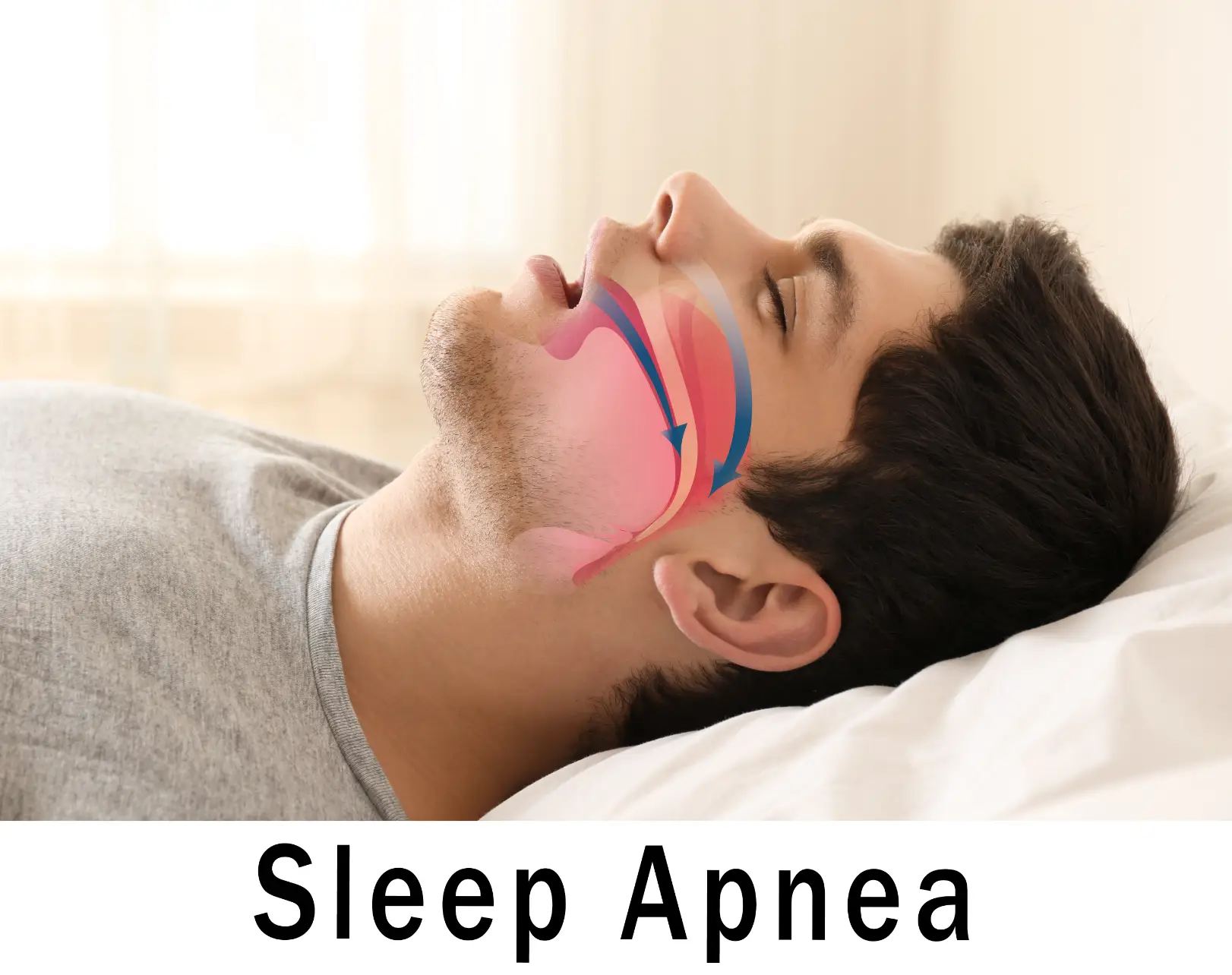
The relationship between sleep apnea and testosterone deserves special attention because sleep and hormone health can influence one another. Poor-quality or disrupted sleep can contribute to fatigue, mood changes, reduced sexual function, and other symptoms that resemble low testosterone. Sleep disorders may also influence hormone measurements.
That means a patient who’s exhausted, gaining weight, and experiencing low libido may need more than a hormone test. Loud snoring, witnessed pauses in breathing, waking up gasping, morning headaches, or significant daytime sleepiness are reasons to discuss possible obstructive sleep apnea with a healthcare provider.
Treatment decisions matter here too. The Endocrine Society recommends against initiating testosterone therapy in men with untreated severe obstructive sleep apnea. Some testosterone product labeling also notes that sleep apnea may occur or worsen in people with risk factors. Sometimes investigating sleep is an important part of investigating testosterone.
When “Off” Deserves an Answer
Getting older can bring changes, but persistent fatigue, sexual changes, declining strength, or shifts in mood shouldn’t automatically be dismissed as something every man simply has to accept. The same symptoms shouldn’t automatically be blamed on testosterone either.
At The Youth Fountain in Freehold Township, NJ, patients can explore whether their symptoms warrant proper hormone testing and whether testosterone therapy is appropriate based on their health, laboratory results, and individual goals. A thoughtful evaluation can separate true testosterone deficiency from the many other conditions that can look surprisingly similar.
Call us today to schedule your appointment!


