
Cellulite has a frustrating habit of ignoring the rules people think it should follow. You can exercise consistently, maintain a stable weight, and still see dimples across the thighs or buttocks. That’s because cellulite isn’t simply extra fat sitting beneath the skin. Its appearance is influenced by the way skin, fat, and fibrous connective bands interact below the surface.
For patients researching how to get rid of cellulite, treatments that address those structural components can offer a different approach from creams or weight loss alone. CelluSmooth is a minimally invasive cellulite treatment designed to deliver energy beneath the skin and target the fibrous bands associated with visible dimpling. Understanding why cellulite forms, and why it can remain or reappear, can help you set better expectations for treatment.
Continue reading as we break down what keeps those dimples visible and what can be done about them.
Why Cellulite Can Keep Showing Up
Cellulite isn’t caused by one single issue, which is why treating it can be more complicated than simply reducing body fat. Several structural and biological factors influence whether the skin looks smooth or develops familiar valleys and dimples.
1. Fibrous Bands Pull the Skin Down
To understand what causes cellulite, it helps to look beneath the skin rather than focusing only on what you see in the mirror. Fibrous connective bands extend through the fatty tissue beneath the skin and help anchor it to deeper structures.
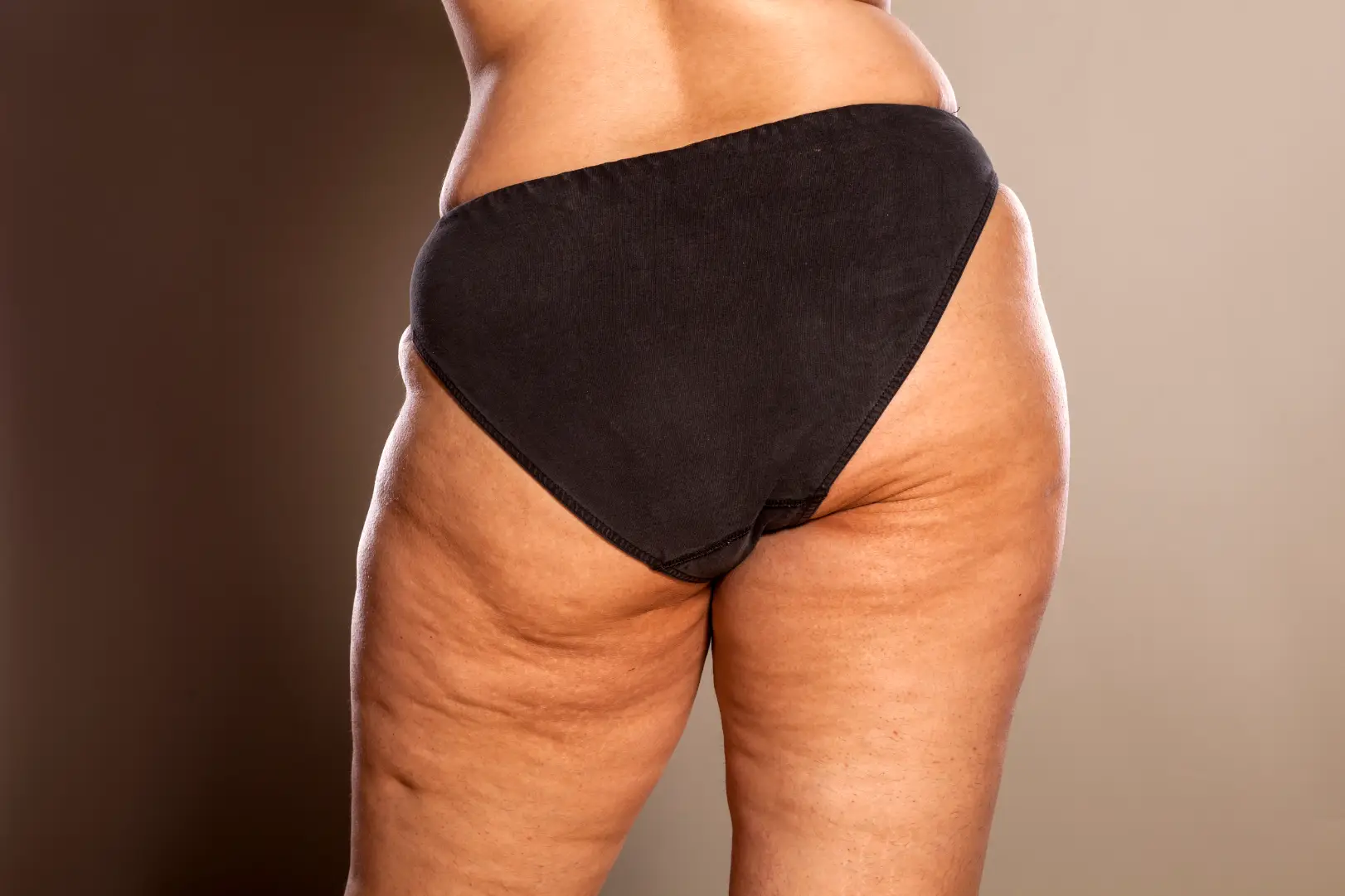
When some of these bands pull downward while the surrounding tissue pushes upward, the skin surface can develop depressions. That’s what creates much of cellulite’s characteristic dimpled appearance. This is also why surface treatments can have limitations.
A lotion may temporarily moisturize the skin and make it look smoother, but it doesn’t necessarily alter the fibrous structures beneath a persistent cellulite dimple. The same is true of massage-based approaches. Temporary changes in fluid or tissue appearance aren’t the same as structurally releasing a tethered depression.
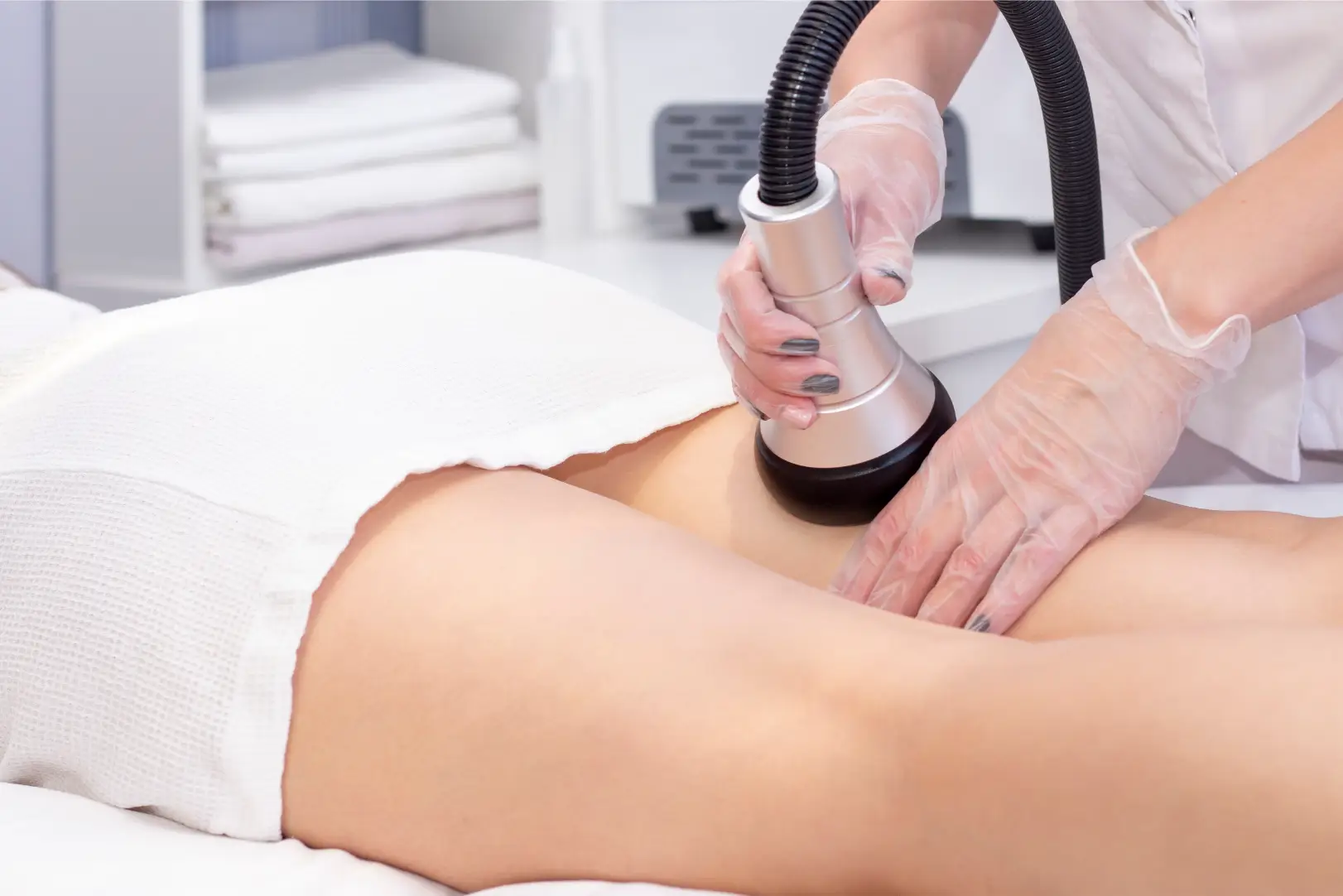
CelluSmooth is designed around this deeper problem. The minimally invasive probe targets energy directly beneath cellulite dimples and valleys, addressing fibrous bands below the dermis rather than working exclusively at the skin’s surface.
2. Cellulite Isn’t the Same as Body Fat
One of the biggest misconceptions about cellulite is that it disappears once someone loses enough weight. Weight reduction can change body contours, but cellulite and excess fat aren’t interchangeable problems. People across a wide range of body sizes can have cellulite.
Fat beneath the skin can influence how visible dimpling appears, but the connective architecture matters too. Someone can have relatively little excess fat and still have pronounced cellulite because of the way fibrous bands interact with the surrounding tissue. This explains why losing weight doesn’t reliably eliminate every dimple.
It also helps clarify the difference between cellulite treatment and fat reduction. One targets the structural contributors to skin dimpling, while the other aims to reduce localized fatty tissue or change body contour.
The distinction matters when setting treatment goals. If both localized fat and cellulite are present, addressing only one may leave the other concern visible.
3. Genetics Still Have a Say
Sometimes cellulite feels unfair because two people with similar lifestyles can have completely different skin texture. Genetics are one reason. Inherited factors can influence skin structure, connective tissue, fat distribution, and the tendency to develop cellulite. That means someone who eats well and exercises regularly can still have noticeable dimpling.
This isn’t evidence that healthy habits don’t matter. Regular physical activity and stable body composition can support overall health and may influence how the body looks. They simply can’t rewrite every aspect of connective tissue anatomy.
Understanding genetics can also relieve some of the pressure patients place on themselves. Cellulite isn’t proof that you didn’t work hard enough at the gym. It’s an extremely common structural skin concern, particularly among women. A treatment plan should address the anatomy involved rather than treating cellulite as a personal failure to stay fit.
That shift in perspective makes the question of how to reduce the appearance of cellulite much more practical.
4. Skin Changes With Age
Cellulite may become more visible over time even if your weight hasn’t changed dramatically. One reason is that the skin itself changes.
Collagen and elastin contribute to skin strength and resilience. As skin ages, changes in these structural proteins can make it thinner or less firm, allowing irregularities beneath the surface to become easier to see. Think of it as the covering becoming less able to disguise what’s underneath.
This helps explain why someone may suddenly notice cellulite more in their 30s, 40s, or beyond even though dimpling existed to some degree earlier. Age-related skin changes can also affect treatment expectations.
Improving a tethered dimple and improving general skin laxity aren’t always the same objective. A patient with both concerns may require a plan that accounts for the connective bands as well as the quality of the overlying skin. This is another reason cellulite shouldn’t be treated as a one-dimensional fat problem.
5. Hormones Influence the Picture
Cellulite is far more common in women than men, and differences in connective tissue arrangement, fat distribution, and hormonal influences all contribute to that pattern. Hormonal changes can also affect fat storage and skin characteristics throughout adulthood.
That doesn’t mean cellulite is automatically evidence of a hormonal imbalance. Normal biological differences can contribute to its appearance without anything being medically wrong. Life stages may change what patients notice.
Puberty, pregnancy, and menopause can all coincide with changes in body composition and skin. Some people become more aware of cellulite during these periods even if they previously paid little attention to it. Treating cellulite doesn’t require fixing normal female hormones.
Instead, the focus stays on the visible concern and the underlying structures contributing to it. That’s a more realistic approach than promising that balancing hormones will make cellulite disappear.
6. Weight Changes Can Alter Its Appearance
Cellulite and fat aren’t identical, but changes in body fat can still affect how cellulite looks. Gaining subcutaneous fat may increase the outward pressure between connective bands, potentially making some dimples more noticeable. Significant weight loss can reduce that fullness, yet it may also reveal loose or less resilient skin in some patients.
That’s why body changes don’t always produce predictable cellulite changes. A patient can lose weight and become happier with overall body contour while remaining bothered by dimpling. Another person may notice that cellulite becomes less obvious after improving body composition but doesn’t completely disappear.
Weight cycling may add another challenge. Repeated stretching and shrinking of tissues can change the appearance of the skin over time. Maintaining a reasonably stable weight after body contouring treatment can therefore be helpful for preserving the overall appearance achieved.
Still, no lifestyle habit can promise that cellulite will never become visible again.
7. Surface Fixes May Be Temporary
Walk through any beauty aisle and you’ll find products promising smoother thighs. Some can make the skin feel wonderful, but feeling smoother and structurally treating cellulite aren’t the same thing.
Moisturizers can temporarily plump the outer skin. Massage may temporarily influence fluid distribution, and some topical ingredients can create subtle short-term changes in appearance. Those effects don’t necessarily release fibrous bands.
This distinction helps answer why cellulite comes back after certain approaches. Sometimes it didn’t truly return. The temporary effect simply wore off while the underlying structural cause remained.
The same principle applies to treatments that address only one component of cellulite. For patients with persistent tethered dimples, a procedure that works below the surface may make more sense than repeatedly trying to camouflage the skin from above.
This is where laser treatments for cellulite and other minimally invasive technologies have changed the conversation. Rather than treating cellulite exclusively as a surface problem, some procedures are designed to address tissue beneath the skin.
8. Lasting Improvement Requires the Right Target
Perhaps the biggest reason cellulite seems to come back is that many attempted solutions never addressed the structural issue in the first place. That’s where CelluSmooth cellulite treatment takes a different approach.
Developed by Sciton, CelluSmooth uses a minimally invasive probe to deliver targeted energy beneath the skin. The treatment is designed to address the fibrous bands contributing to dimples and valleys while supporting a smoother appearance.
Because treatment takes place beneath the surface, it differs from topical products intended primarily to improve the appearance or feel of the outer skin. The practice also describes CelluSmooth as offering minimal downtime. Still, minimally invasive doesn’t mean completely noninvasive or recovery-free.
Patients should discuss expected tenderness, swelling, bruising, activity restrictions, and other aftercare considerations before treatment. Individual recovery can vary according to the treatment area and extent of the procedure.
The objective is meaningful structural improvement without pretending cellulite can be erased from human biology forever.
Smooth the Structure, Not Just the Surface
Cellulite is common, structural, and far more complicated than having too much body fat. Fibrous bands, skin quality, genetics, fat distribution, hormones, age, and body changes can all influence what you see, which is why temporary surface fixes may leave patients asking why those familiar dimples keep returning.
At The Youth Fountain in Freehold Township, NJ, CelluSmooth offers a minimally invasive approach designed to target the fibrous structures associated with cellulite and improve visible skin irregularities. For patients who also want localized fat reduction, treatment planning can consider whether addressing both concerns makes sense.
The goal isn’t to promise permanently flawless skin, but to choose an approach that targets the real reason cellulite looks the way it does. Contact us today to schedule your appointment!


