
Successful weight loss isn’t just about seeing a smaller number on the scale. For many patients, the harder part is finding an approach they can realistically follow when hunger, appetite, metabolic health, and previous attempts keep getting in the way.
Weight loss injections, including certain GLP-1-based medications, can help eligible patients manage appetite and support meaningful weight reduction as part of a broader medical plan. These medications can also cause side effects, especially when treatment begins or the dose increases. Some are common and manageable.
Others deserve a call to your healthcare provider or prompt medical attention. Knowing the difference can make a GLP-1 weight loss program feel far less uncertain, so continue reading for a practical guide to what your body may experience and which symptoms shouldn’t simply be pushed through.
GLP-1 Side Effects: What’s Expected and What’s Not
Digestive symptoms account for many of the most familiar GLP-1 side effects, but not every stomach problem should be considered routine. Severity, duration, and accompanying symptoms can help determine what happens next.
1. Nausea: Common, but Watch the Pattern
GLP-1 nausea is one of the best-known effects of these medications. GLP-1-based treatments can slow gastric emptying and influence appetite signals. As a result, patients may feel full sooner than expected or notice that large meals don’t sit as comfortably as they once did.
For semaglutide, nausea is among the most frequently reported adverse reactions. Gastrointestinal symptoms often become more noticeable while the dose is being increased. Mild nausea that remains manageable may be part of the adjustment period. Eating slowly and recognizing fullness before finishing a previous “normal” portion can help some patients adapt.
Persistent or severe nausea is a different situation. If you can’t comfortably eat, struggle to drink enough fluid, or your nausea continues rather than improving, contact your healthcare provider. Severe gastrointestinal symptoms shouldn’t be dismissed simply because nausea is common with GLP-1 medications.

2. Vomiting: Don’t Ignore Dehydration
Vomiting can also occur with medications such as semaglutide and tirzepatide. An isolated mild episode isn’t necessarily an emergency, but repeated vomiting changes the picture. The immediate concern becomes your ability to maintain hydration.
Losing too much fluid can contribute to dehydration and potentially kidney problems. FDA-approved semaglutide and tirzepatide labeling specifically warns about acute kidney injury associated with volume depletion, particularly when nausea, vomiting, or diarrhea persists.
Watch for signs that you’re not keeping up with your body’s fluid needs. Significant dizziness, very little urination, unusual weakness, or an inability to keep liquids down deserves medical attention.
A supervised semaglutide program shouldn’t involve silently suffering through days of vomiting because you assume discomfort means the medication is working. It doesn’t.
3. Diarrhea: Usually Manageable Until It Isn’t
Diarrhea is another commonly reported gastrointestinal side effect. Mild episodes may occur as your digestive system adjusts, particularly after treatment begins or during dose escalation. For many patients, symptoms can settle as the body becomes accustomed to treatment.
But frequency matters. Ongoing diarrhea can cause substantial fluid and electrolyte loss. Combined with decreased appetite, nausea, or vomiting, it may leave you dehydrated more quickly than you expect.
FDA labeling advises patients using semaglutide to report nausea, vomiting, or diarrhea that doesn’t go away because of the potential for dehydration and kidney complications. This is one reason medically supervised weight loss matters.
Your provider can evaluate whether symptoms are temporary, whether another condition could be responsible, or whether the medication plan needs adjustment. You don’t earn better results by tolerating increasingly severe side effects.
4. Constipation: Common Doesn’t Mean Comfortable
GLP-1 medications can change bowel habits in both directions. Some patients experience diarrhea. Others notice constipation. Slower gastrointestinal movement, reduced food intake, changes in diet, and inadequate fluid intake may all contribute. Constipation is listed among the common semaglutide side effects associated with Wegovy.
Mild constipation can often be discussed at routine follow-up, particularly if you’re otherwise feeling well. Severe abdominal symptoms require more caution. If constipation becomes persistent, extremely painful, or occurs alongside significant abdominal swelling, repeated vomiting, or an inability to pass stool or gas, contact a healthcare professional rather than continually treating yourself at home.
The distinction throughout GLP-1 treatment is simple: common doesn’t automatically mean harmless at every severity.
5. Stomach Pain: Location and Intensity Matter
Mild abdominal discomfort, indigestion, bloating, and belching can occur during treatment. These symptoms are among the gastrointestinal effects reported with GLP-1 medications. Severe, persistent abdominal pain isn’t something to write off as normal.
One reason is pancreatitis. FDA-approved semaglutide labeling instructs patients to stop the medication and contact their healthcare provider promptly if pancreatitis is suspected. A warning sign is severe abdominal pain that doesn’t go away and may radiate toward the back, with or without nausea or vomiting.
That symptom deserves prompt medical evaluation. Don’t try to diagnose pancreatitis yourself, but don’t ignore the warning pattern either. Knowing which symptoms require escalation is an important part of safe GLP-1 administration.
6. Fatigue: Look at the Bigger Picture
GLP-1 fatigue can occur, and fatigue is listed among the common adverse reactions associated with Wegovy. But feeling tired during weight loss can have several possible explanations. You may be eating substantially less than before.
Nausea might be limiting your intake. Dehydration can leave you drained. Sleep quality, stress, nutritional intake, blood sugar, other medications, and medical conditions can also contribute. That’s why persistent exhaustion deserves more than it’s probably the shot.
Your healthcare provider may need to review your food intake, hydration, medications, symptoms, and overall progress. Medical weight loss should support health, not leave you unable to function normally.
If fatigue becomes severe, suddenly worsens, or appears alongside dizziness, fainting, confusion, or other concerning symptoms, seek appropriate medical guidance.
7. Gallbladder Symptoms Need Attention
Gallbladder problems are less common than everyday digestive symptoms, but they’re important to recognize. GLP-1-based weight-loss medications have been associated with acute gallbladder disease. Rapid or substantial weight loss itself can also increase the likelihood of gallbladder problems.
Possible warning signs include persistent upper abdominal pain, fever, jaundice, or pale/clay-colored stools. Those aren’t symptoms to wait out for a few weeks. Contact your healthcare provider if they develop.
Gallbladder risk is also a useful reminder that not every symptom experienced during a weight-loss program comes directly from the medication itself. Weight loss produces physiological changes too.
Your provider’s job is to look at the entire clinical picture rather than automatically labeling every symptom a “GLP-1 reaction.”
8. Low Blood Sugar Depends on Your Other Medications
GLP-1-based medications don’t affect every patient identically. For patients with type 2 diabetes, the risk of hypoglycemia can increase when certain weight-loss medications are used alongside insulin or medicines that stimulate insulin secretion, such as sulfonylureas.
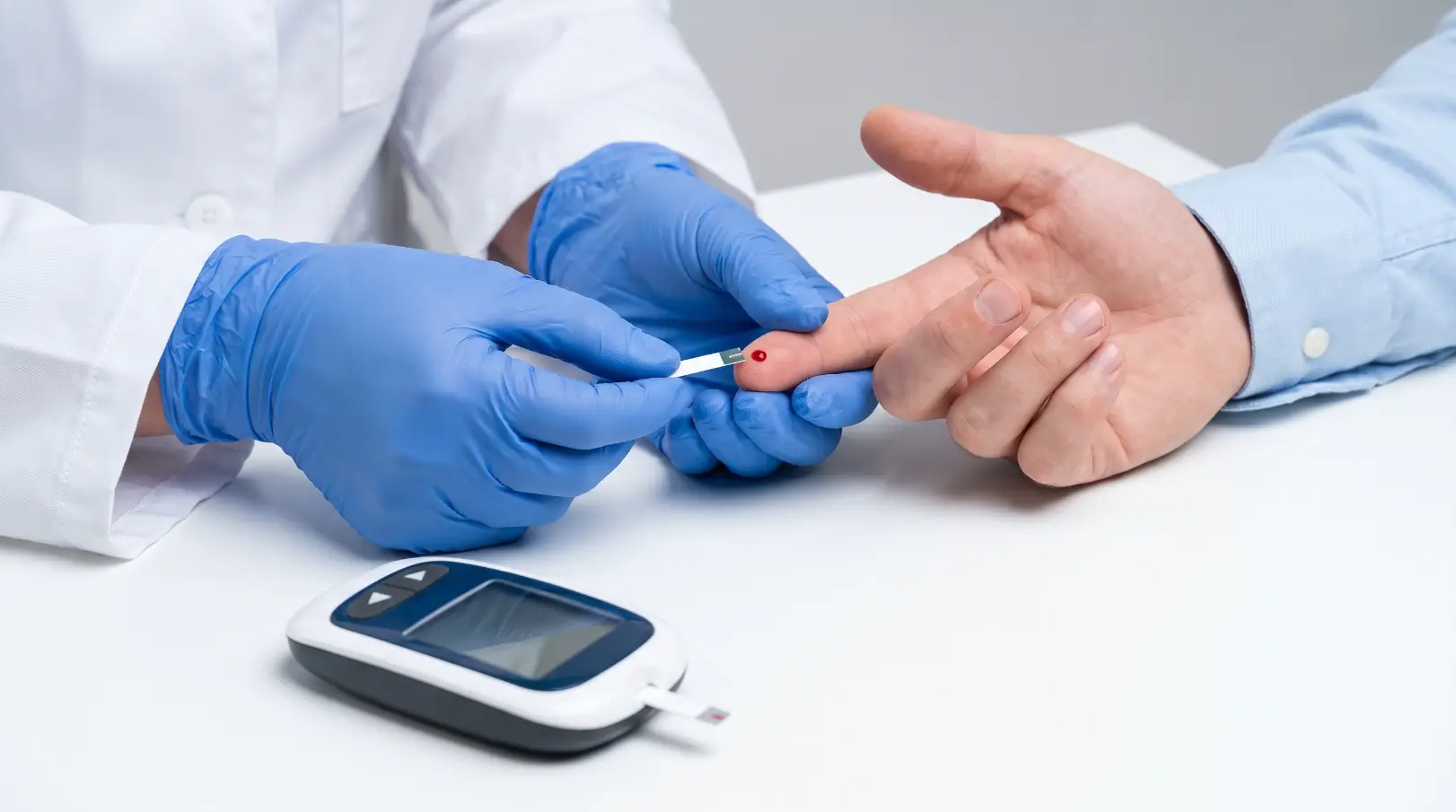
Symptoms of low blood sugar may include sweating, shakiness, hunger, weakness, dizziness, confusion, headache, or a fast heartbeat. Medication history therefore matters. Someone using a GLP-1 medication solely for obesity management may have different considerations from someone who also takes several diabetes medications.
Never adjust prescription diabetes medication on your own because your appetite has changed. Your healthcare provider may need to review your regimen as weight, food intake, and glucose control evolve. This is exactly the kind of individualized adjustment that belongs within medically supervised weight loss.
9. Allergic Reactions Aren’t a Normal Adjustment
Some side effects can reasonably be watched. Signs of a serious allergic reaction can’t. Serious hypersensitivity reactions have been reported with semaglutide. FDA labeling instructs patients to stop treatment and seek prompt medical care if symptoms of a serious allergic reaction occur.
Symptoms may include swelling of the face, lips, tongue, or throat, difficulty breathing or swallowing, severe rash or itching, fainting, or a very rapid heartbeat. Don’t wait for a routine follow-up appointment if you’re having difficulty breathing.
Seek emergency medical care. It’s easy to become accustomed to hearing that medications have side effects. That phrase shouldn’t make genuinely dangerous symptoms sound routine. An allergic emergency is fundamentally different from feeling mildly nauseated after dinner.
10. Vision Changes Deserve a Call
Patients with diabetes have another consideration. Semaglutide labeling includes a warning regarding diabetic retinopathy complications, and patients with type 2 diabetes are advised to contact their healthcare provider if they experience vision changes during treatment.
That doesn’t mean everyone who uses a GLP-1 medication should expect eye problems. It means individual medical history matters when deciding what symptoms require monitoring. If you have diabetes, tell the provider managing your weight-loss medication about existing diabetic eye disease and your broader diabetes treatment.
Likewise, don’t assume new vision changes are an ordinary consequence of losing weight. Report them. The safest treatment plan connects weight management with the rest of your healthcare rather than treating the injection as an isolated service.
Make Weight Loss Feel Supported
The goal of treatment isn’t simply to lose weight at any cost. Weight loss injections can support meaningful progress for appropriately selected patients, but side effects, nutrition, dose changes, medications, and overall health all deserve attention along the way.
At The Youth Fountain in Freehold Township, NJ, patients can explore an individualized, medically supervised approach to weight management that considers more than the scale. With ongoing guidance throughout a GLP-1 weight loss program, patients have support for understanding their response to treatment and knowing when symptoms deserve a closer look.
Contact us today to book your consultation!


